Regulation
The UK disposable vape ban: what changed and what to use instead
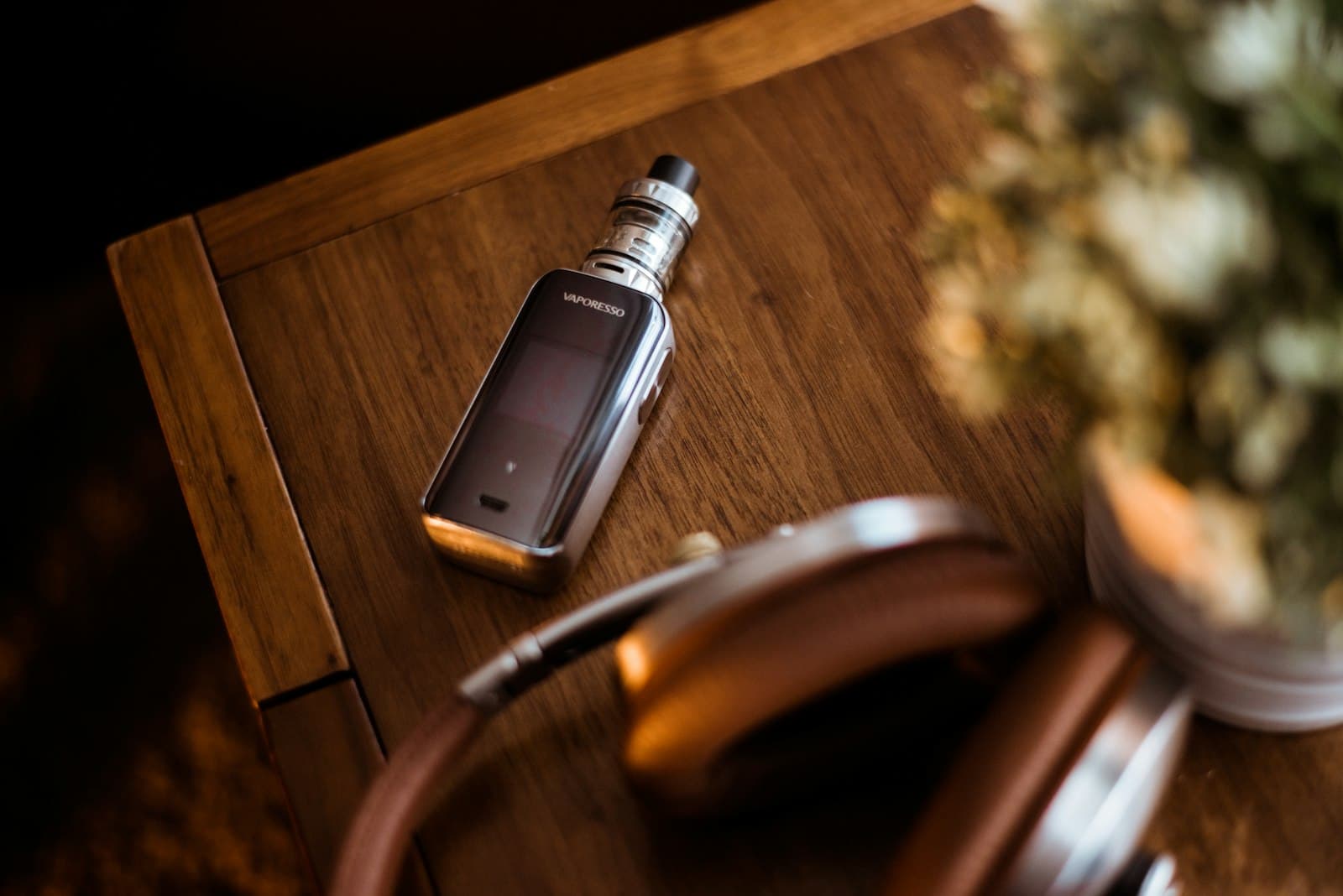
Single-use vapes disappeared from UK shop shelves on 1 June 2025. From that date, retailers across England, Scotland, Wales and Northern Ireland stopped being able to legally sell disposable e-cigarettes, under the Environmental Protection (Single-use Vapes) (England) Regulations 2024 and the equivalent regulations passed by the other UK nations. If you got used to picking up a brightly coloured disposable at the till, that habit now has to change.
This is not a ban on vaping. Rechargeable and refillable pod kits, tank systems and reusable devices remain entirely legal to sell and buy in the UK, and are still subject to the same nicotine and labelling rules that applied before. What changed is specifically the single-use, throwaway format.
Why the government banned disposables
Two arguments did most of the work in getting the ban through Parliament. The first was environmental. Disposable vapes contain a lithium-ion battery, a small amount of e-liquid and various plastics and metals, all fused into a single unit that most users simply threw in general waste. Local authorities and environmental groups had raised concerns for several years about the volume of vapes ending up in landfill or, worse, in general recycling streams where lithium batteries pose a fire risk to bin lorries and waste facilities.
The second argument was about underage appeal. Disposable vapes were cheap, colourful, came in confectionery-style flavour names, and needed no maintenance or understanding of coils and wattage to use. Public health surveys tracked a rise in vaping among under-18s who had never smoked, and disposables were consistently identified as the format most associated with that trend. Banning the format was framed as a way to reduce the appeal to children without banning vaping outright for adults who use it as a lower-risk alternative to smoking.
What the ban actually covers
The regulations define a single-use vape by whether it is designed and manufactured to be used until the integral battery or e-liquid runs out, with no way to recharge the battery or refill or replace the e-liquid or coil. If a device meets that description, it cannot legally be sold, regardless of whether it happens to contain a small USB port (some late-stage disposables added charging ports purely to try to dodge the rules; regulators closed that loophole by focusing on whether the device is genuinely refillable and rechargeable in practice, not just technically capable of holding a charge).
The rule applies at the point of sale. In practice that means:
- Shops, supermarkets, petrol stations and vape specialists cannot stock or sell single-use disposable vapes.
- Online retailers delivering to UK addresses are equally bound by the ban, not just physical shops.
- Rechargeable pod kits, refillable tank devices and reusable closed-pod systems that take replacement pods are unaffected and remain on sale.
- Trading Standards officers can seize non-compliant stock and prosecute retailers who continue selling disposables, in the same way they enforce age-of-sale law (see our explainer on how Trading Standards enforces vape age laws).
What to use instead of a disposable
For anyone who relied on disposables, the practical replacement is a closed-pod kit or a refillable pod kit. Both are reusable: you charge the battery via USB-C, and instead of throwing the whole device away you either swap in a new pre-filled pod or refill an empty pod or tank with bottled e-liquid.
| Feature | Disposable (no longer legal to sell) | Closed-pod kit | Refillable pod/tank kit |
|---|---|---|---|
| Battery | Fixed, thrown away with device | Rechargeable via USB-C | Rechargeable, sometimes removable |
| E-liquid | Sealed in, not replaceable | Pre-filled replacement pods | Refill from a bottle yourself |
| Typical running cost | Was £5–£7 per device, lasting a day or two | Pods typically £3–£5 each | 10ml bottle typically £3.50–£5 |
| Maintenance | None, by design | Minimal, swap pod when empty | Refill and occasionally change coil |
Closed-pod kits are the closest match to the disposable experience: you are not handling e-liquid directly, and the device is simple to use. Refillable kits cost a little more attention but work out cheaper over time, since you are buying e-liquid by the bottle rather than paying for a new pod cartridge each time. Whichever route you take, the nicotine strength and bottle size limits are unchanged and worth understanding before you buy. We cover those in detail in our guide to UK e-liquid rules on nicotine limits and bottle sizes.
What if a shop is still selling disposables?
Some retailers had stock left over when the ban came into force, and enforcement has been phased in unevenly across different council areas depending on Trading Standards resourcing. If you spot disposables still on sale, this is something local Trading Standards teams want to know about; most councils accept reports via their website or the Citizens Advice consumer helpline. In our view, the clearest sign a shop is cutting corners on disposables is often the same shop that is lax about checking ID at the till, so the two issues tend to travel together.
The bigger picture
According to the NHS, vaping is substantially less harmful than smoking and can support some smokers in quitting, though it is not risk-free and is not recommended for people who have never smoked. The disposable ban does not change that underlying public health position; it is aimed squarely at waste and underage appeal rather than at restricting adult access to vaping as a category. If you already used a disposable as a stop-smoking tool, switching to a rechargeable pod kit keeps you within a broadly similar category of product, just in a reusable shell.