Regulation
How devices like the Lost Mary BM6000 comply with the UK disposable vape ban
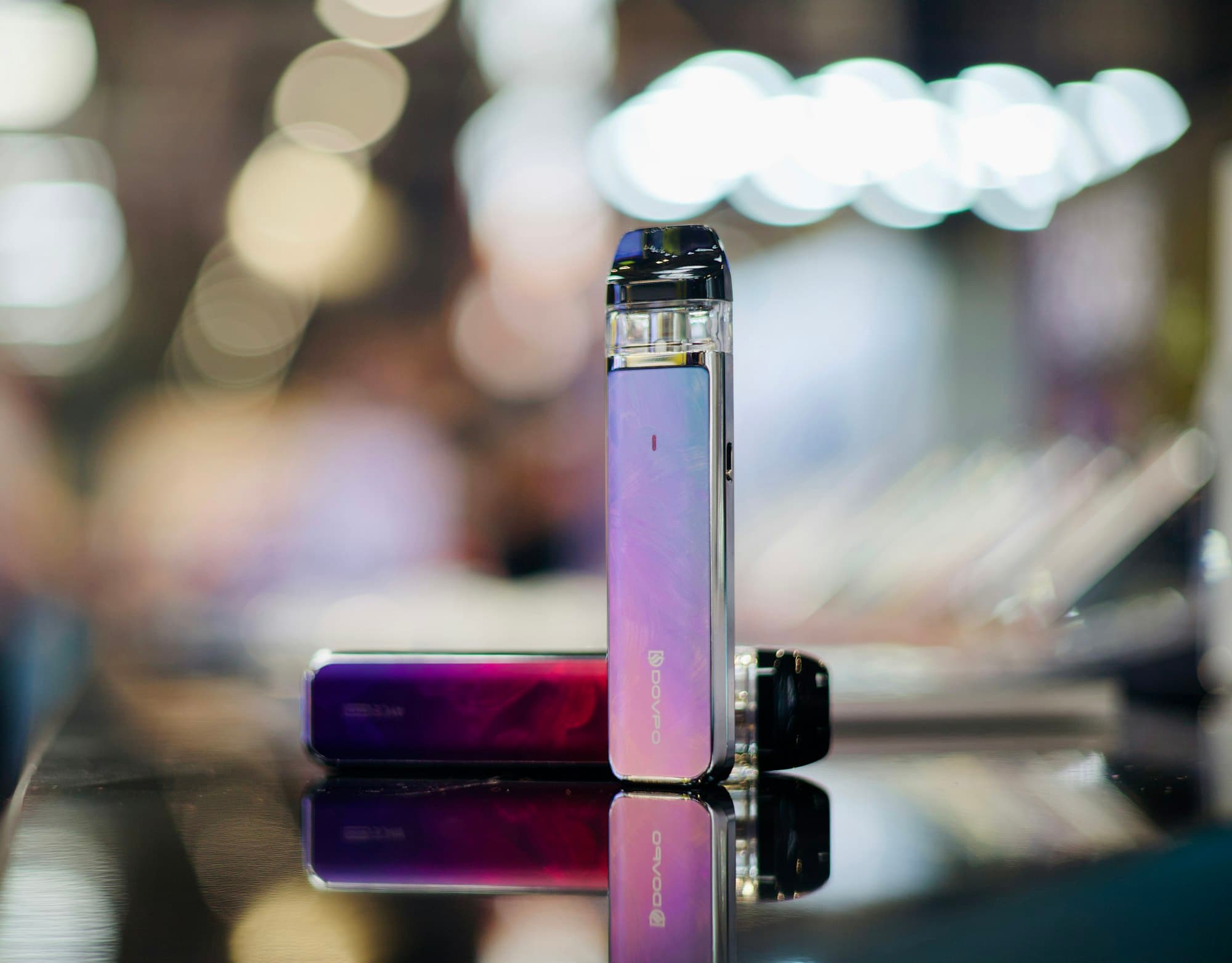
Lost Mary built its name on disposable vapes, so shoppers who remember the brand from before June 2025 sometimes assume every product carrying that name must have slipped through some kind of loophole. The Lost Mary BM6000 is a straightforward example of why that assumption is wrong. It is a rechargeable pod system with a replaceable pod, and that single structural fact, not the brand on the box or the puff number on the packaging, is what keeps it outside the UK’s single-use vape ban.
This piece sets out how that works in practice: what actually changed when disposables were banned, how a device like the BM6000 differs structurally from what was banned, and what details are worth checking on any rechargeable pod kit to satisfy yourself it is genuinely compliant rather than a disposable wearing a charging port.
What the ban restricts, and what it doesn’t
We cover the single-use ban in full in our explainer on the UK disposable vape ban, but the point that matters here is how the regulations define a single-use vape. It comes down to design, not size, flavour or puff count. A device counts as single-use if it is manufactured to be used until its built-in battery or e-liquid runs out, with no way to recharge the battery or refill or replace the e-liquid or coil. A device fails that test, and becomes illegal to sell, if it is missing either a rechargeable battery or a replaceable source of e-liquid. It only has to miss one.
Nothing in the regulations caps how many puffs a legal device can be rated for, how many flavours it comes in, or how it is marketed. Those details were incidental to why disposables got banned, not the legal test itself. That is the detail a lot of coverage of the ban glosses over, and it is the reason a device can carry a puff figure many times higher than any disposable ever offered and still be entirely legal.
How the BM6000 is actually built
The BM6000 is draw-activated, so there are no buttons to operate, and it charges over USB-C, with the manufacturer quoting roughly 45 to 60 minutes for a full charge (the charging cable is not included with the kit, per the retailer listing). The coil is a built-in mesh coil, but it sits inside the pod rather than being a separate part you swap on its own; when a pod is empty, the whole pod comes out and a new one clips in. Nicotine strength is 20mg/ml across the flavour range, which is the maximum the UK allows.
That combination, a battery that recharges and a pod that gets replaced rather than a sealed shell that gets thrown away, is the entire basis for classing the BM6000 as a rechargeable pod kit rather than a disposable. It makes no difference that the brand built its reputation on disposables before the ban, or that the device is styled to look similar to one. The regulations look at what the hardware does, not what it resembles.
Why the puff figure doesn’t settle the question
Lost Mary states “up to 6,000 puffs” per pod for the BM6000. Treat that as a manufacturer estimate rather than an independently tested figure, and note what it is actually measuring: puffs from a single pod, not a cumulative total for the device across its working life. It is also not comparable to a disposable’s puff count in any direct sense, since a disposable’s figure describes the entire product before it is thrown away, while a pod kit’s figure describes one consumable component that gets replaced repeatedly for as long as you keep using the device.
None of that puff figure has any bearing on whether the device is legal to sell. A disposable rated for 600 puffs and a pod kit rated for 6,000 puffs per pod sit on opposite sides of the same legal line for the same reason in both cases, which is whether the battery recharges and the e-liquid source can be replaced, not the number printed on the box.
What compliance doesn’t exempt it from
Falling outside the single-use ban does not put a device outside every other rule. Rechargeable pod kits are still bound by the Tobacco and Related Products Regulations, the same rules that set the 20mg/ml nicotine ceiling, the 2ml cap on pre-filled pods and the 10ml cap on refill bottles, which we cover in our guide to UK e-liquid rules on nicotine limits and bottle sizes. Replacement pods and kits also need to reach the shelf through the ordinary channels: child-resistant, tamper-evident packaging, a printed health warning, and sale restricted to adults aged 18 and over. Being rechargeable answers one legal question. It does not answer all of them, and a retailer still has to get the nicotine strength, packaging and age checks right independently of that.
Spotting a genuinely compliant device
The BM6000 is a useful worked example precisely because the same checklist applies to any rechargeable pod kit on a shop shelf, not just this one. A handful of details are worth looking for before you buy:
- A visible charging port, usually USB-C, and packaging that actually says “rechargeable” rather than something vaguer like “extended battery”.
- A pod or cartridge sold separately as a replacement item, so you can buy refills on their own rather than only ever buying a complete new device.
- A printed nicotine strength that does not exceed 20mg/ml, and a pod or bottle size within the 2ml or 10ml caps.
- Child-resistant, tamper-evident packaging carrying a health warning, the same as any other nicotine e-liquid product sold legally in the UK.
A product that has no genuine charging port, or that has one but no way to buy a replacement pod separately, is either an old-style disposable that should not still be on sale or a device dressed up to look compliant without actually meeting the test. Puff count, flavour name and brand recognition tell you nothing about which category a device falls into. The charging port and the replaceable pod do.
The bottom line
The BM6000 stayed legal to sell after June 2025 for the same reason every other rechargeable pod kit did, not because of any special treatment for Lost Mary as a brand, and not because of anything to do with its puff rating or flavour range. It has a battery that recharges and a pod that gets replaced rather than a device that gets thrown away whole, which is exactly what the single-use definition turns on. That structural distinction, not the number on the front of the box, is what is worth checking on any device before you assume it is legitimately on sale.