Regulation
Nic salt e-liquid and the rules that keep it compliant
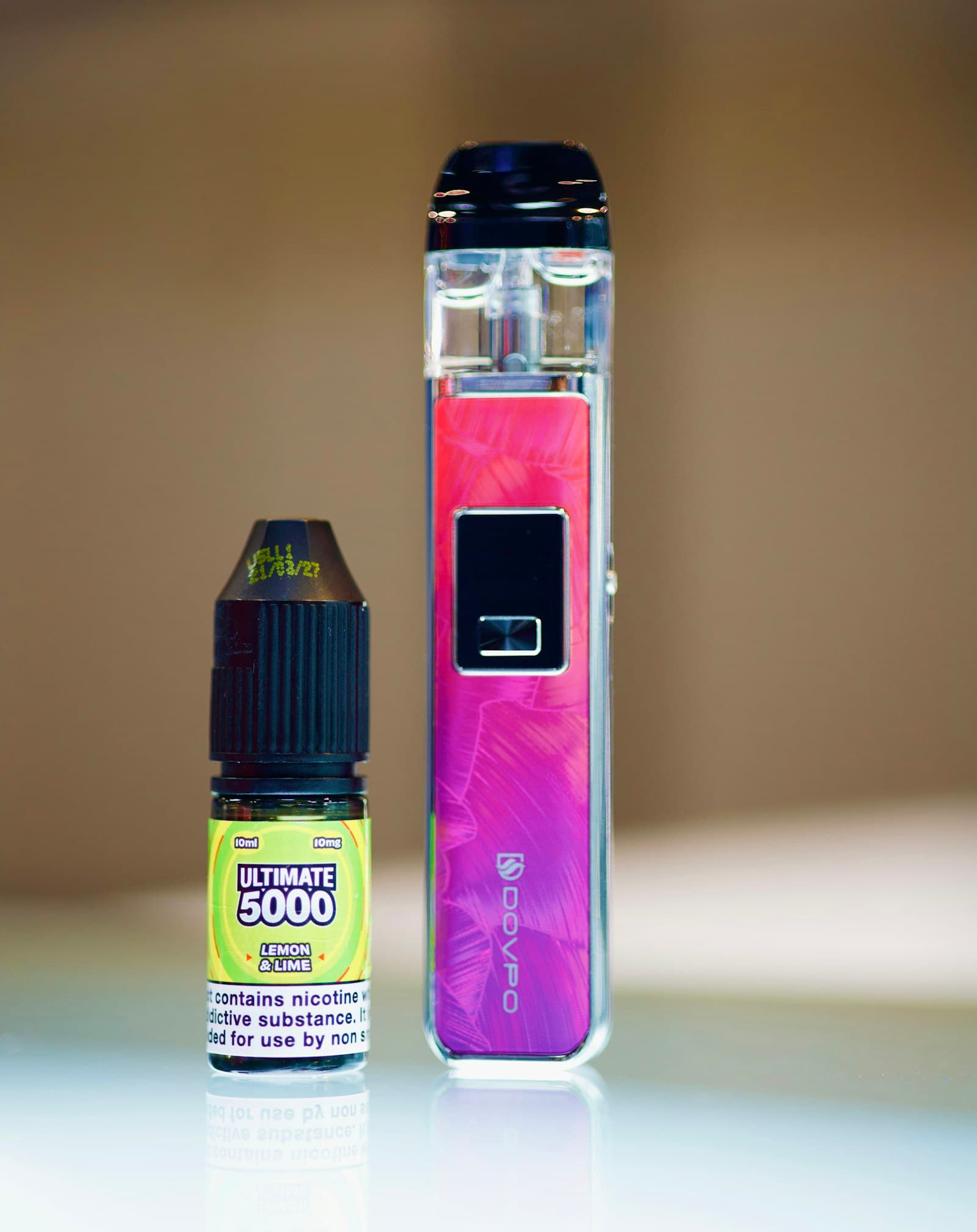
Nicotine salt (“nic salt”) e-liquid has become the standard fill for the small, low-power pod kits that most vapers now use, including the rechargeable devices that took over the market after the UK disposable vape ban in June 2025. We have already covered the general rules that apply to all UK e-liquid in our explainer on nicotine limits, bottle sizes and labelling. This piece looks specifically at how those rules apply to nic salts, since it is the format most new and switching vapers now encounter first, and sets out what a compliant bottle should actually look like on the shelf.
Nic salts are a formulation, not a separate legal category
Nic salt e-liquid uses nicotine bound to an acid, rather than the “freebase” nicotine used in older e-liquid formulations. Vapers and manufacturers commonly describe nic salts as giving a smoother throat hit at higher strengths than freebase e-liquid, which is a widely stated characteristic of the formulation rather than a health claim. What matters for compliance is that the Tobacco and Related Products Regulations 2016 (TRPR) do not treat nic salt as a separate product type with its own rules. Whatever the chemical form of the nicotine, the same strength cap, container limits and labelling requirements apply.
The 20mg/ml nicotine cap applies in full
The TRPR sets a maximum nicotine strength of 20mg/ml for any e-liquid sold in the UK, and nic salts are bound by that ceiling in exactly the same way as freebase e-liquid. No UK retailer can lawfully sell nic salt e-liquid above 20mg/ml, regardless of how smooth a higher concentration might be marketed as. In practice, most UK nic salt ranges are sold at 5mg, 10mg and 20mg per millilitre, giving a spread from a genuinely low strength up to the legal maximum. A 5mg nic salt is not automatically “right” for any particular reader — nicotine needs vary from person to person — but it is a real, lower option within the regulated range, and many vapers who find 10mg or 20mg too strong do move down to it rather than stopping at the top of the scale.
The 10ml bottle limit
Alongside the strength cap, the TRPR limits any bottle of nicotine-containing e-liquid, nic salt included, to a maximum of 10ml. This is why nic salt bottles are sold in small 10ml sizes rather than the larger shortfill bottles used for 0mg e-liquid, which sit outside this particular limit because they contain no nicotine at the point of sale. A 10ml nic salt bottle at 20mg/ml contains the maximum amount of nicotine the law allows in a single refill container, which is part of why the size limit exists alongside the strength cap rather than instead of it.
Labelling and child-resistant packaging
The same packaging rules that apply to any nicotine e-liquid apply to nic salts. A compliant 10ml bottle should have:
- Child-resistant and tamper-evident packaging.
- The nicotine strength printed clearly in mg/ml, alongside a full ingredients list.
- A health warning covering the required minimum percentage of the main packaging surfaces.
- Batch information so the product can be traced if recalled.
- Usage and storage instructions, including information aimed at children, pregnant women and non-smokers.
Products also need to be notified to the MHRA before sale, which covers nic salt formulations exactly as it covers freebase e-liquid. A nic salt bottle with no visible UK health warning, no printed mg/ml strength, or packaging that opens without any child-resistant mechanism has not gone through the proper notification route, whatever the label claims about the flavour or brand.
How a compliant range fits inside those limits
Elux’s nic salt range is a reasonably typical example of how a UK-market product sits inside these rules in practice. It is sold in 10ml bottles, within the standard 50/50 PG/VG nic salt formulation used across most MTL pod-friendly e-liquids, at 5mg, 10mg and 20mg strengths — covering the low end, middle and legal ceiling of the UK’s nicotine range rather than exceeding it. The flavour list runs across fruit, ice and menthol, and lemonade profiles, with the fuller flavour list available at 10mg and 20mg and a smaller selection specifically at 5mg. None of that is unusual for a TPD/TRPR-notified UK nic salt range; it is simply what compliance looks like when a brand stays inside the strength and bottle size limits rather than testing them. If you are new to nic salts and want to start below the mid-strength options most ranges lead with, Elux vape liquid 5mg is a common lower-strength starting point, though as with any nicotine strength, what suits one vaper will not necessarily suit another.
Spotting compliant vs non-compliant nic salts
Because nic salts are popular and relatively cheap to produce, they are also a format where non-compliant or grey-market stock turns up. A handful of checks apply whether you are buying online or in person:
| What to check | Compliant | Worth avoiding |
|---|---|---|
| Printed nicotine strength | 5mg, 10mg, 12mg, 18mg or 20mg/ml | Above 20mg/ml, or no strength printed at all |
| Bottle size | 10ml or smaller | Larger than 10ml but still containing nicotine |
| Packaging | Child-resistant cap, visible UK health warning | No child-resistant mechanism, no warning text |
| Price | Broadly in line with other UK nic salt ranges | Unusually cheap for the strength and bottle size |
A 10ml bottle priced far below the rest of the market, printed with a strength above 20mg/ml, or missing a child-resistant cap and health warning altogether is the clearest sign that a nic salt product has skipped the UK’s notification and labelling requirements, regardless of how established the brand name printed on the front looks.
The bottom line
Nic salt e-liquid is not a separate regulatory category in the UK. It sits under exactly the same TRPR limits as any other nicotine e-liquid: a 20mg/ml strength cap, a 10ml bottle size limit, and fixed labelling and packaging requirements. A compliant range simply works within those numbers rather than around them, which is why checking the printed strength, the bottle size and the packaging detail tells you more about a nic salt product’s legitimacy than the flavour name or the marketing on the box.
Frequently asked questions
Is nic salt e-liquid subject to a different nicotine limit than freebase e-liquid?
No. Both formulations are capped at the same 20mg/ml maximum under the Tobacco and Related Products Regulations. Nic salt is a different chemical form of nicotine, not a different legal category, so the strength ceiling is identical.
Why are nic salt bottles always 10ml or smaller?
The TRPR limits any container of nicotine-containing e-liquid, salt-based or freebase, to a maximum of 10ml. This is a container size rule rather than something specific to nic salts, which is why 10ml is the standard bottle size across the category.
Is nic salt e-liquid safer or healthier than freebase e-liquid?
UK regulation does not treat nic salt as a safer or healthier category, and this site does not make that claim either. It is a different formulation that many vapers describe as smoother at higher strengths, but the legal strength cap, bottle size limit and labelling requirements are exactly the same as for freebase e-liquid.